
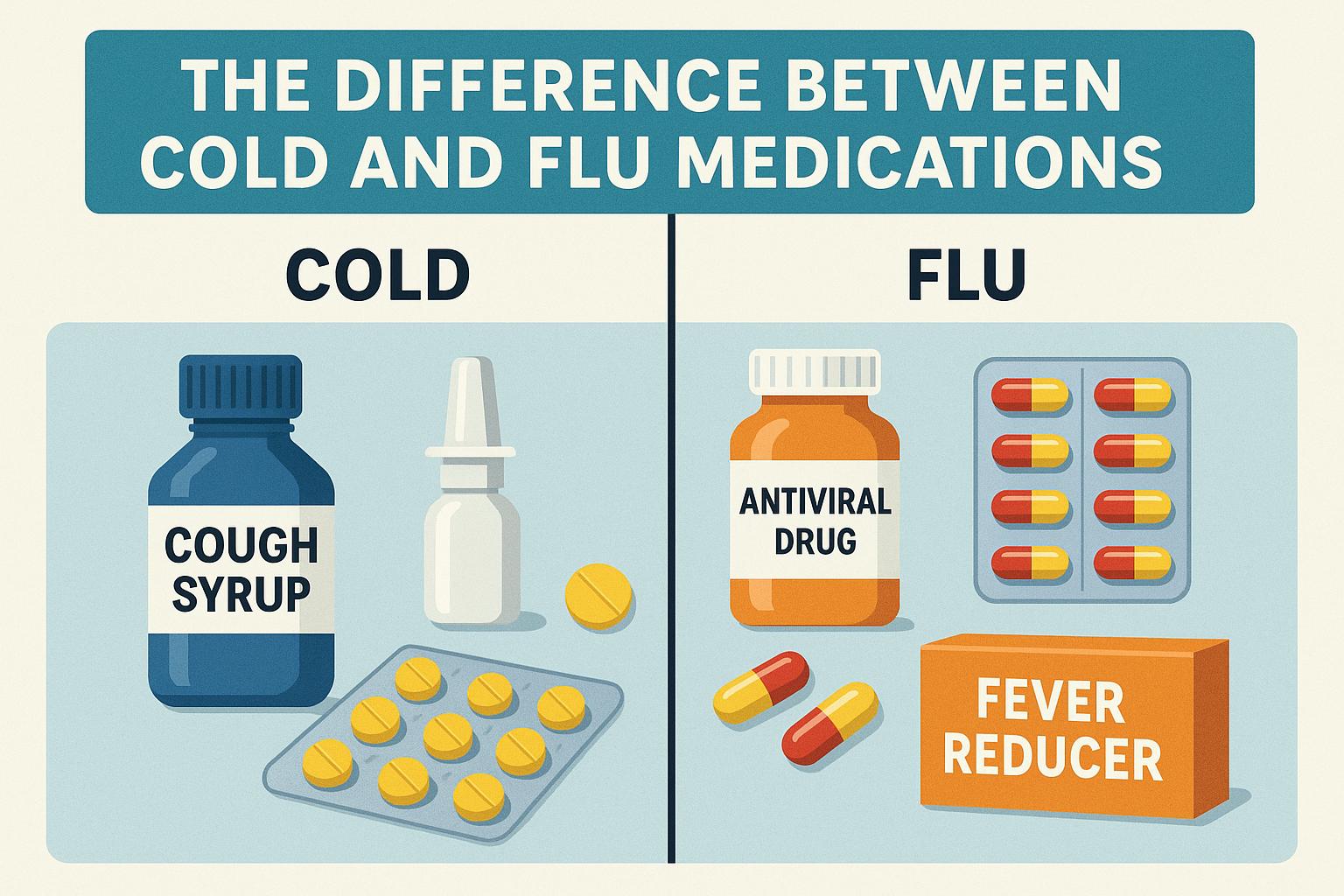
The difference between cold and flu medications.
Understanding the Differences Between Cold and Flu Medications
When faced with the discomfort of cold and flu symptoms, many people reach for over-the-counter medications to find relief. However, it is crucial to understand that cold and flu medications are formulated differently, aiming to target specific symptoms associated with each condition.
Common Symptoms of Cold and Flu
Both cold and flu share some symptoms, such as a sore throat, congestion, and coughing. However, the flu typically presents more severe symptoms, including high fever, body aches, and fatigue. Recognizing these differences is essential for selecting the most appropriate medication.
Primary Ingredients in Cold Medications
Cold medications are formulated to address milder symptom sets. These include different classes of ingredients, each serving a specific function:
Decongestants: Ingredients like pseudoephedrine and phenylephrine are common substances found in many cold medications. Their primary function is to reduce nasal congestion and sinus pressure by narrowing the blood vessels in the nasal passages. This helps to relieve the sensation of a stuffy or blocked nose, which is one of the most common and annoying symptoms of a cold.
Antihistamines: Another prevalent ingredient found in cold medications is antihistamines. They are particularly useful for alleviating a runny nose and reducing sneezing. Some common antihistamines, such as diphenhydramine, might cause drowsiness and therefore are often recommended for nighttime use. On the other hand, antihistamines like loratadine typically do not cause drowsiness and can be used during the day.
Cough Suppressants and Expectorants: When it comes to dealing with coughing, cold medications often contain cough suppressants and/or expectorants. Dextromethorphan is a cough suppressant that works by acting on the brain to suppress the cough reflex, thereby providing relief from persistent, dry coughing. Meanwhile, expectorants like guaifenesin help to thin and loosen mucus in the airways, making it easier to expel through coughing.
Key Components in Flu Medications
Flu medications often need to tackle the more intense symptoms associated with the flu. These symptoms can be debilitating and may require more robust medication components:
Antivirals: Prescription antiviral medications such as oseltamivir are designed specifically to target the influenza virus. These medications work by interfering with the virus’s ability to multiply, helping to reduce the duration and severity of the illness. It’s important to note that these antivirals are not available over-the-counter and must be prescribed by a doctor.
Analgesics and Antipyretics: Flu symptoms often include headaches, body aches, and fever, which can be particularly severe. To address these symptoms, flu medications contain analgesics and antipyretics. Ingredients such as acetaminophen or ibuprofen are commonly used to alleviate pain and reduce fever. It’s crucial to manage these medications’ dosages carefully to avoid potential adverse effects, such as liver damage from acetaminophen overuse.
Choosing the Right Medication
Choosing the right medication is a critical step in effectively managing cold and flu symptoms. The selection largely depends on the individual’s specific symptoms and the severity of those symptoms. It is important to thoroughly read the labels on medication packages to understand the purpose of each ingredient.
Some over-the-counter medications come in combination forms that address multiple symptoms simultaneously. While these combination medications can be convenient, caution is advised. Taking a combination medication when only experiencing one or two symptoms could lead to unnecessary ingestion of ingredients that may potentially cause side effects. Additionally, taking multiple medications that contain similar ingredients should be avoided to prevent over-medication or toxicity.
Consultation with Healthcare Professionals
While over-the-counter options provide a convenient starting point for symptom relief, there are situations where consulting a healthcare professional becomes essential. Healthcare providers can offer personalized guidance based on the individual’s health history and symptoms. They can recommend the most suitable medications and may also identify when prescription medications are necessary. If symptoms persist or worsen despite medication use, or if there is uncertainty in selecting the appropriate medication, seeking professional advice is advisable.
Safety and Precautions
Before taking any medication, it is crucial to consider several safety and precautionary aspects:
– Potential Drug Interactions: If you are already taking other medications or have existing health conditions, it is important to be aware of potential drug interactions. Certain medications can interact negatively with others, leading to reduced effectiveness or harmful side effects.
– Adhering to Dosage Instructions: Following the recommended dosage instructions is vital to avoid adverse effects. Overdosing on certain ingredients, such as acetaminophen, can have serious consequences, including liver damage.
– Special Considerations for Children and Individuals with Chronic Illnesses: Special care must be taken when administering medications to children or individuals with chronic illnesses. Children’s formulations should be used as indicated, and doses should be based on weight or age. For those with chronic conditions, consulting with a healthcare provider is recommended to ensure that the chosen medication is suitable and safe.
For more detailed information on specific cold and flu medications, visit Mayo Clinic for comprehensive guides on symptom management and medication choices.