
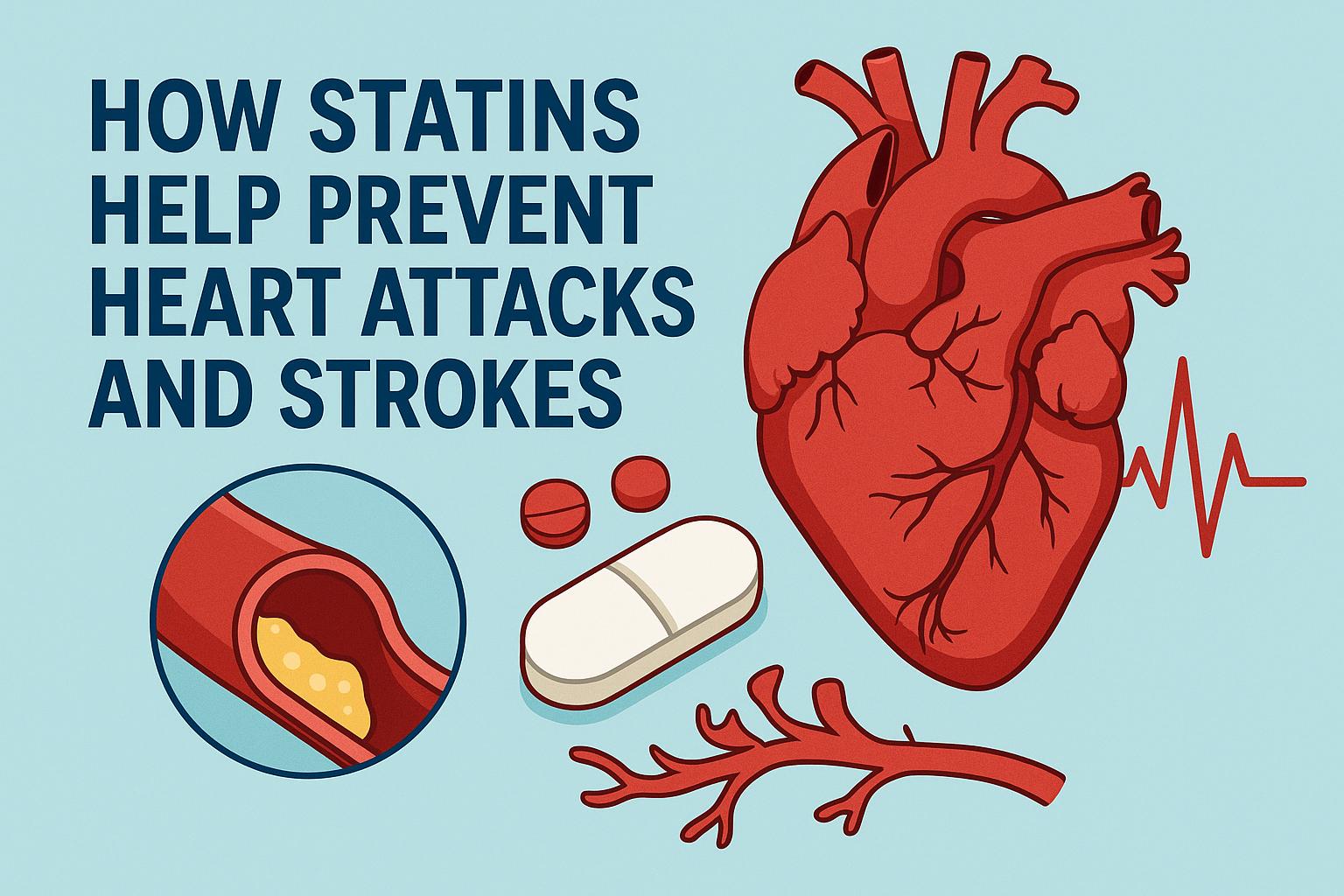
How statins help prevent heart attacks and strokes.
Understanding Statins and Their Role in Cardiovascular Health
Statins are a class of drugs that are extensively prescribed due to their proven efficacy in lowering cholesterol levels in the blood. By targeting and reducing the liver’s production of cholesterol, these medications serve as an integral component in the prevention of various cardiovascular diseases, including heart attacks and strokes.
How Statins Work
The primary mechanism by which statins operate involves the inhibition of a specific enzyme present in the liver that is crucial for cholesterol production. By impeding this enzyme, statins effectively diminish the overall cholesterol content within the bloodstream. In particular, they significantly lower levels of low-density lipoprotein (LDL) cholesterol, commonly termed “bad” cholesterol. High levels of LDL cholesterol have been consistently associated with an increased risk of cardiovascular events, making the role of statins crucial in risk mitigation.
Preventing Heart Attacks and Strokes
The pivotal cardiovascular benefits associated with statins are largely manifested through their ability to prevent heart attacks and strokes. This is achieved through several mechanisms:
Reduction of Cholesterol Levels: By effectively lowering LDL cholesterol, statins help minimize the accumulation of plaque that can obstruct the arteries. This reduction is essential in the prevention of heart attacks and the occurrence of ischemic strokes.
Improvement of Endothelial Function: Statins also contribute to the betterment of endothelial cells, which line the arteries. By enhancing their function, these drugs promote improved blood flow and simultaneously aid in reducing inflammatory responses.
Stabilization of Atherosclerotic Plaque: One of the significant advantages of statin therapy is its role in stabilizing existing atherosclerotic plaque. By bolstering the stability of this plaque, statins decrease the chances of a rupture, which is a key factor in precipitating heart attacks.
Anti-inflammatory Effects: Statins further exhibit anti-inflammatory properties. These properties fortify their role in thwarting arterial damage, which is a precursor to serious cardiovascular conditions.
Who Benefits from Statins?
Statins are predominantly prescribed to individuals who either have a history of cardiovascular disease or are deemed at high risk for developing such conditions. The typical candidates for statin therapy include:
High LDL Cholesterol Levels: Individuals who present with elevated levels of LDL cholesterol derive considerable benefit from statin therapy as it significantly lowers their risk of cardiovascular incidents.
History of Cardiovascular Events: Those who have previously experienced cardiovascular events, such as a heart attack or stroke, are often recommended to continue with statin therapy as a preventative measure against subsequent events.
Other Risk Factors: Patients who possess additional risk factors such as diabetes, hypertension, or a family history of heart disease may also be considered suitable candidates for statin therapy.
Potential Side Effects
Although statins are generally considered safe and are well-tolerated by the majority of users, they may induce side effects in some individuals. Commonly reported side effects include muscle pain, digestive discomfort, and an elevation in blood sugar levels. Thus, it is imperative for patients to openly communicate any symptoms or concerns with their healthcare provider. The provider can then tailor the treatment plan accordingly to minimize any adverse effects.
Conclusion
Statins play a cornerstone role in the prevention strategies for heart attacks and strokes, particularly for individuals at heightened risk due to elevated LDL cholesterol levels or other cardiovascular risk factors. By gaining a thorough understanding of their mechanisms and substantial role in maintaining cardiovascular health, individuals, along with healthcare providers, can make well-informed decisions regarding the initiation and continuation of statin therapy. For further detailed information, individuals are encouraged to consult with healthcare professionals or visit reputable medical sources or health professional organizations dedicated to cardiovascular health.
The comprehensive benefits offered by statins in cardiovascular disease prevention underscore their importance in modern healthcare settings. As ongoing research continues to explore and expand upon these multifaceted benefits, statins remain a pivotal element of contemporary therapeutic approaches toward robust cardiovascular health management.