
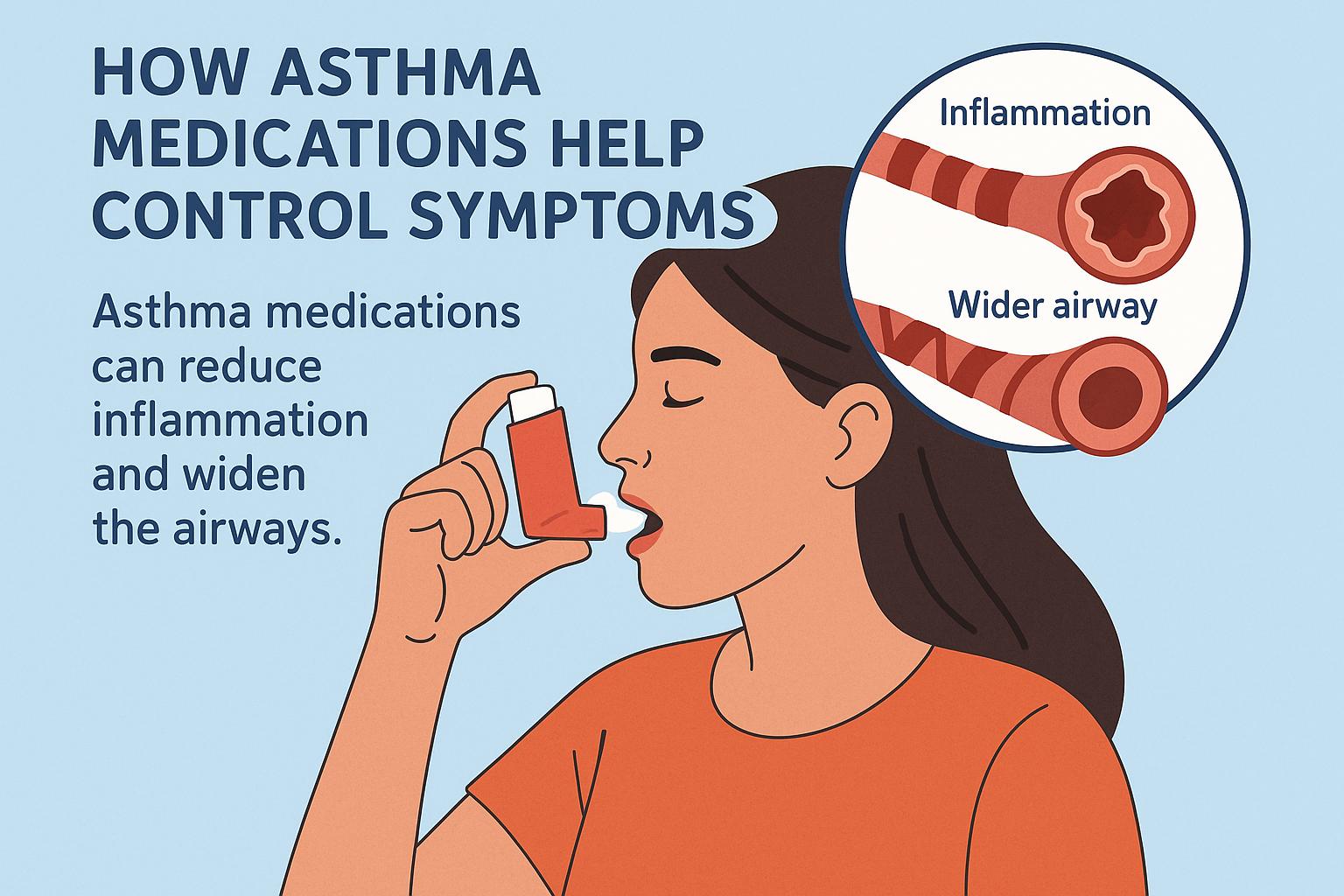
How asthma medications help control symptoms.
Understanding Asthma Medications
Asthma, a chronic respiratory condition, requires careful management to control its symptoms, which include wheezing, shortness of breath, chest tightness, and coughing. The primary goal of asthma medications is to either provide quick relief from symptoms or to manage the underlying inflammation, thereby reducing the frequency and severity of asthma attacks over time.
Quick-Relief Medications
Quick-relief medications, often referred to as rescue medications, play a crucial role in alleviating acute symptoms of asthma. These medications are essential for providing immediate relief during an asthma attack, which makes their presence indispensable for those living with the condition.
One of the most commonly used quick-relief medications is the **short-acting beta-agonist (SABA)**, like albuterol. The efficacy of SABAs is largely due to their ability to quickly relax the muscles surrounding the airways. When these muscles relax, the airways open up, making it significantly easier for an individual to breathe.
Patients typically use quick-relief inhalers on an as-needed basis. Their use is not only restricted to managing sudden asthma symptoms but is also recommended to prevent symptoms that may arise due to physical exertion. Despite their effectiveness in immediate symptom relief, it is crucial to understand that these medications are not replacements for long-term asthma management therapies. Over-reliance on quick-relief medications could indicate poorly managed asthma, necessitating a review of the patient’s overall asthma management plan.
Long-Term Control Medications
For the effective management of asthma, long-term control medications are necessary. These medications are integral for reducing inflammation in the airways and minimizing the occurrence of asthma symptoms over the long term. Taking these medications consistently, even in the absence of symptoms, is the foundation of a solid asthma management strategy.
Inhaled Corticosteroids: Among the various long-term control medications, inhaled corticosteroids are considered the most effective. They function by reducing swelling and mucus production within the airways, thereby decreasing their sensitivity to asthma triggers. By doing so, inhaled corticosteroids form a robust defense against both day-to-day symptoms and larger, potentially dangerous asthma attacks.
Leukotriene Modifiers: These oral medications, such as montelukast, offer a different approach to asthma management. They work by blocking the action of leukotrienes—chemicals in the immune system that contribute to the inflammation, swelling, and constriction of airways. Leukotriene modifiers are particularly beneficial as an adjunct therapy, complementing the actions of inhaled corticosteroids and enhancing overall asthma control.
Long-Acting Beta-Agonists (LABAs): Long-acting beta-agonists are often employed in conjunction with inhaled corticosteroids. Unlike their short-acting counterparts, LABAs offer prolonged maintenance of open airways, significantly reducing the likelihood of sudden asthma symptoms. By addressing both the immediate and extended needs of airway management, LABAs stabilize breathing over extended periods.
Combination Inhalers
For some patients, combination inhalers, which couple a corticosteroid with a long-acting beta-agonist, might be particularly advantageous. These inhalers provide the dual benefits of anti-inflammatory and bronchodilating effects within a single delivery device, simplifying the treatment regimen. The convenience offered by combination inhalers tends to improve adherence to prescribed therapies, making them a preferred choice for many patients.
Healthcare professionals often advise patients to become educated about different combination inhalers available and choose one that best meets their individual needs. For personalized advice and detailed information on specific combination inhalers, consulting a healthcare provider is essential. Additional resources, such as reputable health organizations, can also provide valuable insights into efficient asthma management.
Use of Asthma Medications
The effective use of asthma medications hinges on a solid understanding of when and how each type is to be used. Quick-relief medications are intended for immediate relief and should be administered at the very first sign of a symptom. By doing so, they can preclude the progression of symptoms. Conversely, long-term control medications require consistent, daily use. Their purpose is not immediate relief but rather the long-term management of asthma, aiming to mitigate both the frequency and severity of attacks.
Asthma action plans are critical tools designed in partnership with healthcare providers. They serve as comprehensive guides that help patients tailor their medication use based on their symptoms and peak flow readings. These plans generally include instructions on when to modify medication dosages or seek professional medical intervention. By following these personalized guidelines, patients can exert greater control over their asthma, achieving better health outcomes.
Regular follow-ups with healthcare providers are essential components of asthma management. These consultations allow for the ongoing assessment of asthma control and enable adjustments to the treatment regimen as needed. Through consistent monitoring and open communication with healthcare providers, individuals with asthma can enjoy an improved quality of life, with reduced symptoms and fewer disruptions to daily life activities.