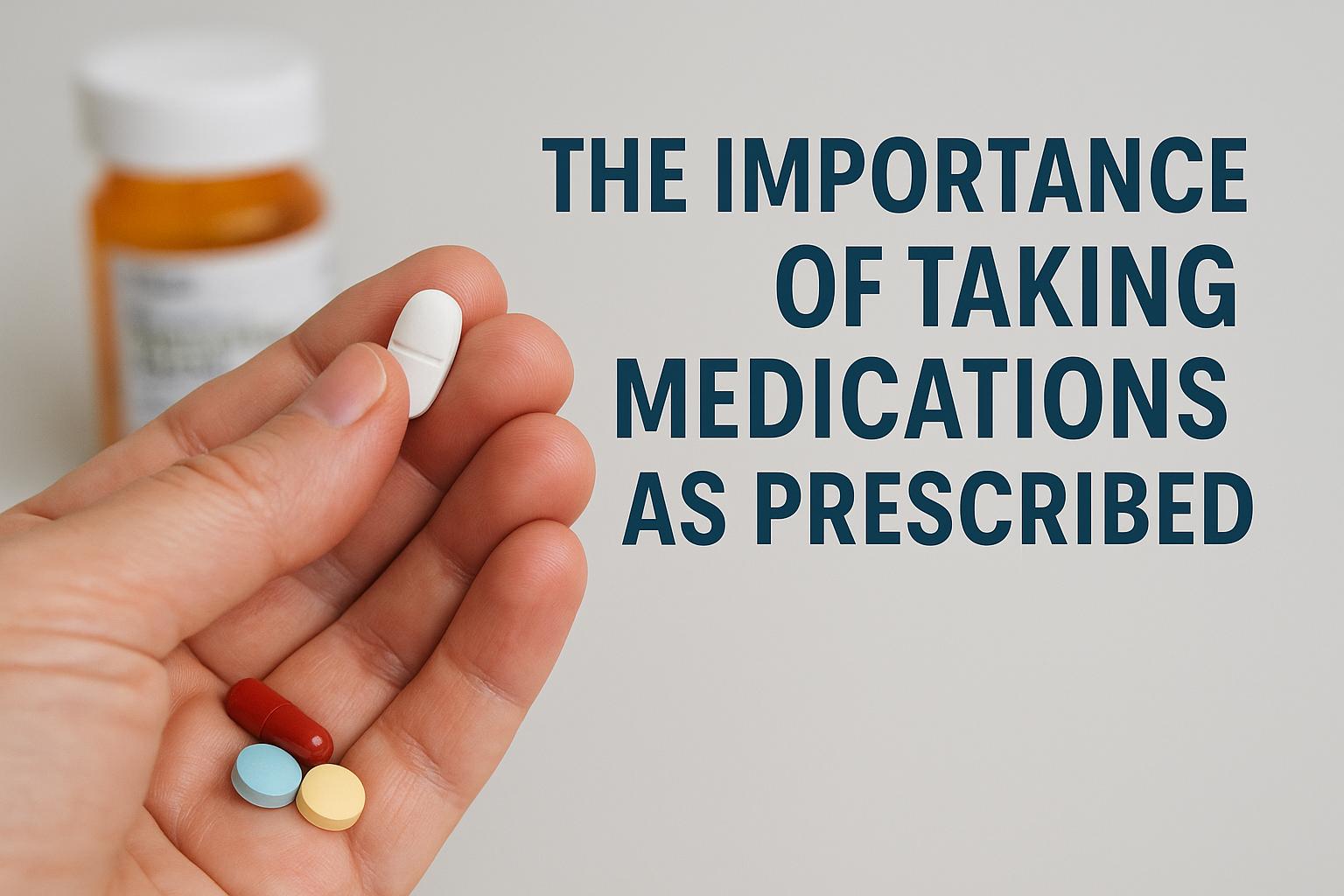
The importance of taking medications as prescribed.
The Role of Adherence in Treatment Efficacy
In the realm of healthcare, taking medications as prescribed is paramount. The role of medication adherence cannot be overstated when aiming for positive therapeutic outcomes and improved long-term health. When healthcare providers meticulously design treatment plans, they consider multiple factors to ensure the treatment is both safe and effective. Any deviation from the prescribed regimen can compromise these goals and diminish overall treatment efficacy, making medication adherence a critical element of healthcare management.
Consequences of Non-Adherence
Non-adherence to medication regimens is a prevalent issue with significant repercussions. The failure to stick to prescribed medication schedules can result in treatment failure and unnecessary treatment escalation. Non-adherence also leads to heightened healthcare costs, illustrated by increased hospitalizations and readmissions as reported by the National Library of Medicine. Moreover, individuals who do not follow their prescriptions as directed may not reap the full benefits of their medication, leading to a potential deterioration of their medical conditions. The broader implications of this issue emphasize the necessity for both patients and healthcare professionals to prioritize adherence in health management strategies.
Factors Affecting Medication Adherence
Various factors influence whether a patient adheres to their medication regimen. A critical component is the patient’s understanding of the treatment plan and the vital role adherence plays in achieving therapeutic goals. Effective communication between healthcare providers and patients is imperative. Healthcare professionals must ensure that patients comprehend why each component of their treatment is important, encompassing both the administration specifics and the intended outcomes.
Additionally, the complexity of the medication regimen can impact adherence. Generally, simpler medication schedules are easier to adhere to, while more complex regimens, requiring numerous doses throughout the day, may increase the chances of missed doses. Other contributing factors may include the patient’s lifestyle, socioeconomic status, and potentially the side effects associated with certain medications. Each of these elements can bear significantly on a patient’s ability to follow prescribed treatments.
Strategies to Improve Adherence
Addressing non-adherence requires targeted strategies from healthcare providers. One effective approach is the simplification of medication regimens. By minimizing the number of daily doses, patients can more easily integrate their medication schedules into their daily routines. Moreover, employing reminder tools such as mobile apps, alarms, or pill organizers can be profoundly beneficial. These tools help keep patients on track and reduce the likelihood of missed doses.
Another valuable strategy involves the integration of family members or caregivers in managing the patient’s medication process. This approach not only provides additional oversight but can also offer emotional support to the patient, enhancing adherence. Regular follow-ups scheduled with healthcare providers continue to offer patients opportunities to discuss challenges, experiences, or side effects they encounter. These discussions allow healthcare professionals to offer timely interventions and make any necessary adjustments to treatment plans.
Resources and Support
To support medication adherence, patients can access various resources. Pharmacies, for instance, often offer medication synchronization services, where prescriptions are aligned to be refilled together, making medication acquisition more straightforward for patients. Reminder calls and notifications provided by pharmacies ensure patients are aware of when it’s time to take their medications or refill prescriptions.
For more comprehensive support, consultation with healthcare providers is another beneficial resource. Healthcare providers might offer access to educational resources, support groups, or even specialized adherence counselors who can assist patients struggling with adherence.
By leveraging these resources, patients can bolster their efforts to adhere to their medication regimens, thereby possibly improving their health outcomes. For more information on resources, individuals can visit health.gov.
In conclusion, understanding the critical role of medication adherence is fundamental to effective healthcare management. A collaborative approach involving patients, healthcare providers, and supportive resources can considerably enhance medication adherence. By taking proactive steps towards simplifying adherence and providing support mechanisms, the healthcare system can better ensure that patients achieve the full benefits of their treatment regimens. Long-term, these efforts not only improve individual health outcomes but also contribute to the broader goal of healthcare efficacy and cost reduction.