
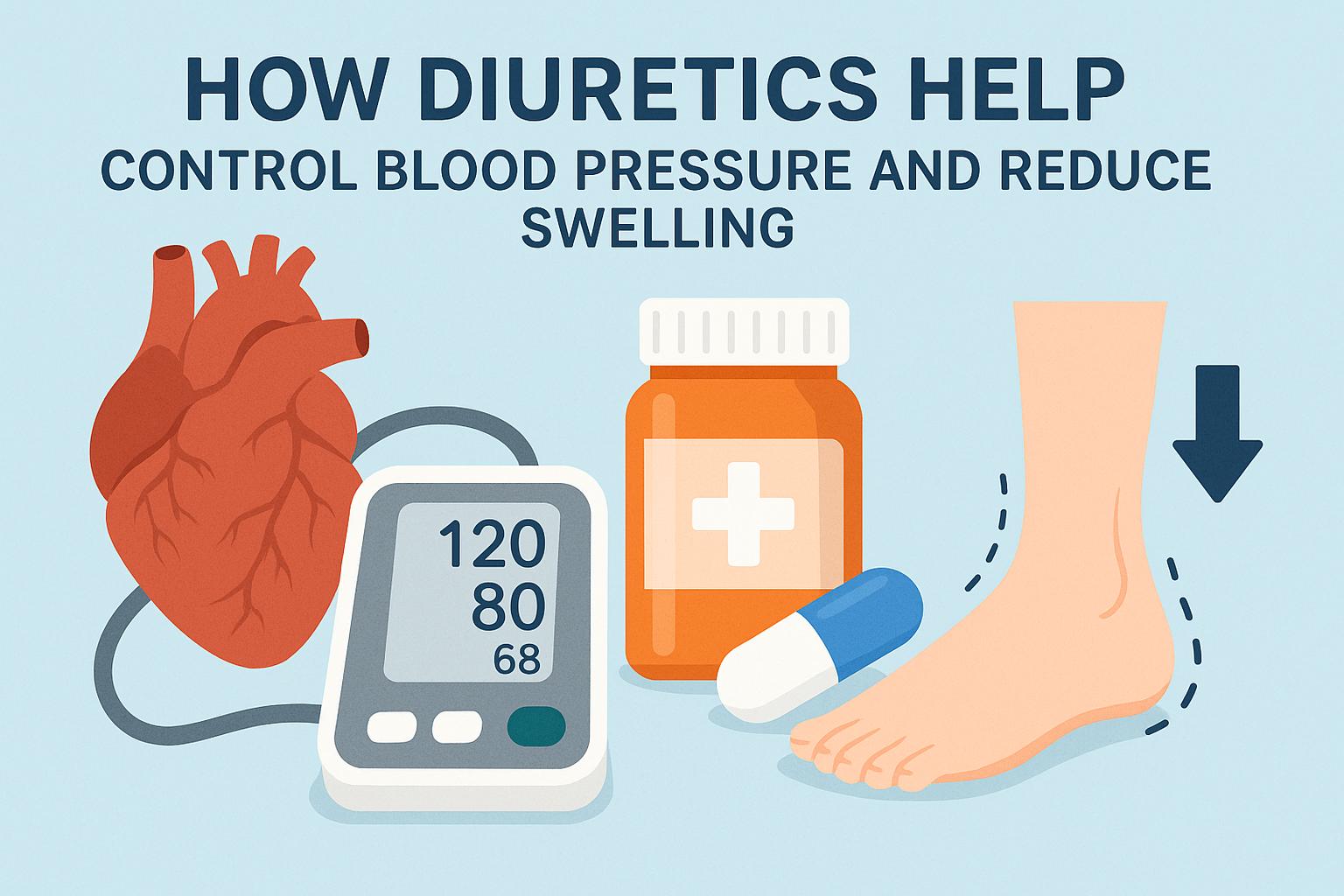
How diuretics help control blood pressure and reduce swelling.
Understanding Diuretics
Diuretics, commonly known as “water pills,” are an essential group of medications utilized primarily for increasing urine production in the human body. This increase in urine output facilitates the removal of excess fluid accumulation, thus playing a crucial role in managing conditions such as high blood pressure and edema, which is characterized by swelling due to fluid retention.
The Role of Diuretics in Blood Pressure Management
One of the primary medical applications of diuretics is lowering blood pressure. They achieve this by diminishing the fluid volume within blood vessels. With a reduction in fluid volume, the pressure exerted on arterial walls decreases, effectively lowering blood pressure levels. This physiological mechanism underlies the frequent prescription of diuretics for individuals diagnosed with hypertension, a condition marked by consistently high blood pressure.
Within the category of diuretics, there are various subtypes, each exerting its effects through slightly different pathways in the body.
Thiazide Diuretics
Thiazide diuretics are often considered the first line of treatment in managing hypertension. Their effectiveness lies in their ability to facilitate the kidneys’ excretion of sodium and water. By doing so, they effectively reduce the overall blood volume, leading to a decrease in blood pressure. This reduction in blood volume eases the workload on the heart and decreases the risk of heart-related complications.
Loop Diuretics
For more severe cases of hypertension or fluid overload, loop diuretics are used. These act on a specific segment of the kidney known as the ascending loop of Henle. By promoting the excretion of sodium, chloride, and water, loop diuretics significantly lower blood pressure and alleviate symptoms associated with fluid retention. They are particularly beneficial in conditions where rapid fluid and pressure reduction is needed.
Potassium-Sparing Diuretics
A distinct category within diuretics, potassium-sparing diuretics, function without causing potassium loss. Typical diuretics might lead to the excretion of potassium along with sodium and water, but these drugs retain potassium levels, making them suitable for patients who are at risk of developing hypokalemia or low potassium levels in the blood. This characteristic makes them an attractive addition to treatment regimes where maintaining electrolyte balance is critical.
Diuretics and Swelling Reduction
In addition to managing blood pressure, diuretics play a significant role in reducing swelling attributed to fluid retention, clinically referred to as edema. Edema can arise due to diverse medical conditions, including but not limited to heart failure, liver disease, and kidney disorders.
Edema Management
Through the enhancement of urine production, diuretics facilitate the removal of excess salt and water from the body, leading to a decrease in the accumulation of fluid within tissues. This reduction in fluid buildup markedly alleviates swelling. For example, in patients with heart failure, the heart’s compromised ability to effectively pump blood may result in fluid retention, which diuretics can help to manage by expelling this excess fluid.
Common Considerations
While diuretics are undoubtedly effective, they are not devoid of potential side effects or considerations. Commonly encountered issues include dehydration and electrolyte imbalances like the depletion of potassium, a necessary mineral for bodily function. The loss of potassium is particularly notable with non-potassium-sparing diuretics, necessitating regular monitoring of electrolytes in patients on these medications. It is advisable for individuals to consult healthcare providers to tailor the treatment effectively and manage any side effects that may arise.
In summary, diuretics serve a vital role in controlling blood pressure and reducing fluid-related swelling. As a cornerstone in the treatment of various cardiovascular and renal conditions, they provide an effective means to manage and mitigate symptoms associated with these diseases. Despite their benefits, careful consideration and supervision are essential to reduce risks and optimize outcomes for individuals relying on these medications. Understanding the different types of diuretics and their specific applications allows for informed discussions between patients and healthcare professionals to ensure the best therapeutic strategies are employed.