
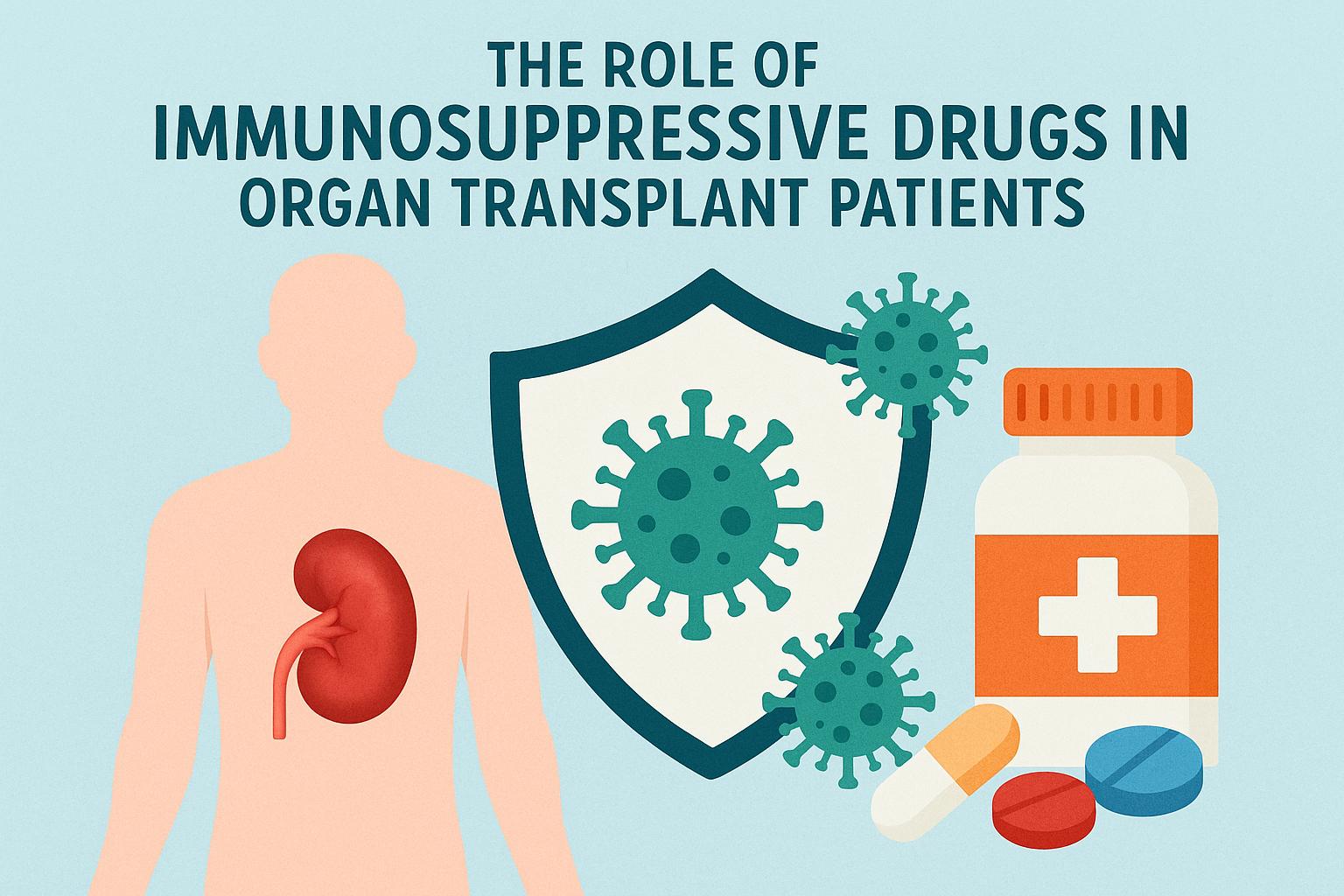
The role of immunosuppressive drugs in organ transplant patients.
Introduction
Organ transplantation is a pivotal medical procedure for patients suffering from end-stage organ failure. This life-saving surgery offers patients the promise of extended life and an improved quality of life. However, the journey post-transplant is fraught with potential challenges that must be managed carefully. One of the primary challenges is the recipient’s immune system, which may recognize the new organ as foreign. If this happens, the immune system could mount a response against the organ, leading to rejection and potentially resulting in the transplant’s failure. This is where immunosuppressive drugs come into play. Such drugs are vital as they help in preventing the body from attacking the transplanted organ, ensuring its acceptance and function.
Mechanism of Action
The efficacy of immunosuppressive drugs lies in their ability to modulate the body’s immune response. The immune system, while effective at protecting the body from infections and other threats, can inadvertently attack a transplanted organ. Immunosuppressive drugs counter this by targeting specific pathways and components of the immune response that lead to organ rejection.
These medications work through various mechanisms. Some immunosuppressive drugs hinder the replication of immune cells, particularly those responsible for mounting an attack on the transplanted organ. Others focus on disrupting cytokine production. Cytokines are essential signaling proteins that enable immune cells to communicate and coordinate a response. By dampening these mechanisms, immunosuppressive drugs create a less hostile environment for the transplanted organ, greatly reducing the risk of rejection.
Common Immunosuppressive Drugs
Immunosuppressive therapy involves a range of drugs, each functioning differently to suppress the immune response:
Calcineurin Inhibitors: These drugs are among the most predominant in transplantation medicine. Calcineurin inhibitors work by blocking calcineurin’s activity, a protein necessary for activating T-cells. T-cells are pivotal in the immune system’s ability to recognize and reject foreign bodies, including transplanted organs.
Antiproliferative Agents: Another important class, antiproliferative agents, works by inhibiting the proliferation of immune cells, mainly lymphocytes. Lymphocytes are crucial in the immune process, and by limiting their ability to multiply, these agents reduce the immune system’s potential to reject the transplant.
Corticosteroids: Known for their anti-inflammatory properties, corticosteroids are particularly effective in controlling acute rejection episodes. They are typically administered in the initial phase post-transplant when the risk of rejection is highest.
Challenges and Side Effects
Despite their crucial role, immunosuppressive drugs are not without their challenges. The most significant issue is finding a balance between preventing organ rejection and minimizing side effects. Long-term use of these immunosuppressive medications can lead to several complications, ranging from increased vulnerability to infections to a heightened risk of malignancies. Other side effects may include hypertension, diabetes, and more.
The long-term care of transplant patients involves continual vigilance and adaptation regarding immunosuppressive therapy. This requires a nuanced approach to managing dosages and adjusting treatment plans to optimize outcomes and minimize adverse effects.
Monitoring and Dosage Adjustments
Proper management of immunosuppressive therapy demands routine monitoring. The concentration of these drugs in the patient’s bloodstream must be kept within a specific therapeutic range. If the levels are too low, the risk of rejection escalates; if too high, the patient could suffer toxic side effects. To ensure the dosage remains optimized, regular blood tests are essential, allowing for timely adjustments based on the patient’s evolving needs and health status.
Advancements and Future Directions
The field of immunosuppressive therapy is continually evolving. Current research is focused not only on developing new immunosuppressive drugs but also on discovering innovative ways to enhance treatment efficacy and safety. Emerging approaches, such as biologic therapies and cell-based treatments, promise to offer additional options to current practices. These approaches hold potential for achieving immune tolerance, a state where the transplanted organ becomes fully accepted by the body without lifelong dependency on immunosuppressive drugs.
The ultimate goal of these advancements is to enhance the quality of life for transplant recipients, reduce side effects, and increase the longevity of the transplanted organ.
Additional Resources
For those seeking a deeper understanding or more extensive information on immunosuppressive drugs used in organ transplant patients, numerous expert resources are available. Websites like the National Center for Biotechnology Information and the National Institute on Drug Abuse can provide valuable insights and updates about current research and clinical practices in this critical area of healthcare.
Conclusion
Immunosuppressive drugs play a vital role in the success of organ transplants, offering recipients the possibility of a longer, healthier life. Despite their limitations and the challenges they present, they remain indispensable to transplant medicine. The ongoing research and development in the field of immunosuppressive therapies are promising, indicating a future where these therapies will be more refined, with fewer side effects, ultimately leading to better patient outcomes and improved quality of life.